Want to make a donation to our cause?
Parkside Road Safety Awareness
PRSA is a registered non-governmental organization in Kenya which was founded in the year 2012. Its main aim is to create awareness and advocacy on road safety to significantly reduce the incidences of accidents and irregularities on Kenyan Roads.
Read More
Road Saftey Strides
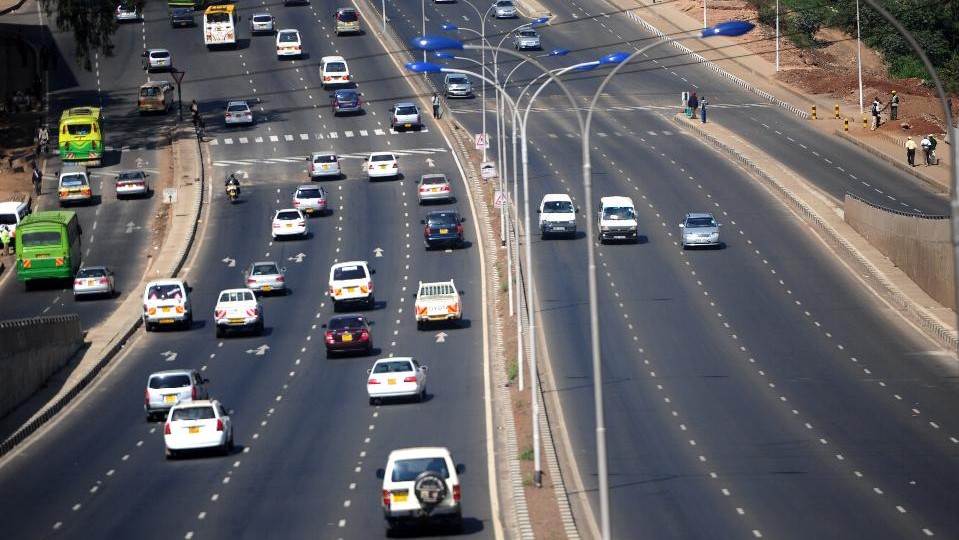
Statistics show that nearly 1.3 million people die every year in road accidents, an average of 3,500 people a day. Up to 50 million sustain non-fatal injuries.
Road accident injuries are the major cause of death among people aged between 15 and 29. These statistics highlight a global problem that needs to be addressed to make our roads safer and significantly reduce fatalities and road accident injuries.

The Designated Driver
Safe Drivers
Parkside Road Safety Awareness plays a leading role in promoting awareness and responsibility not only among motorists, but all road users through education, campaign and information.
Campaigns (link to sessions “campaigns”) are aimed at encouraging safe driving practices as well as lifelong learning and training, targeting the different risk groups.
Safe Vehicles
Parkside Road Safety Awareness cooperate with road users to improve vehicle safety and to provide consumers with an independent assessment of the safety performance of their vehicles.
Join the conversation on Facebook.
Making a safe move
This approach is underpinned by these principles:
- People are human and sometimes make mistakes – a simple mistake shouldn’t cost anyone their life.
- Roads, roadsides and vehicles need to be designed to minimise crashes or reduce forces if a crash happens.
- Road safety is a shared responsibility – everyone needs to make safe decisions on and around the road to prioritise safety.
The four elements of a safe system are:
Safer People

Safer Roads

Safer Vehicles

Safer Speeds
People are at the heart of the safe systems approach to road safety. All road users owe it to themselves and to everyone else on the road to follow the road rules and drive to the conditions. Crashes can be prevented, and lives can be saved, by making safe choices.
No matter how skilled or experienced you are, or how familiar you are with a road, it’s hard to know what’s around the corner or to anticipate if another road user will make a mistake.
If you’re tired, distracted, speeding or impaired by alcohol or drugs, you cannot react as quickly to unexpected changes on the road. In the event of a crash, your choice of speed or decision to wear a seatbelt can make the difference between life and death for yourself, your family or friends – as well as others involved.
Education combined with enforcement and penalties, including fines, demerit points and licence suspension all aim to motivate road users to follow the rules and behave safely on and around the road.
Responsibility for a serious crash can’t just rest on the shoulders of a road user. Safer roads are designed and built to be more forgiving and account for human error and vulnerability. If a driver or rider makes a mistake, the road infrastructure can significantly reduce the chance that it will result in death or serious injury.
To do this we:
- Upgrade roads and improve road design, install new road signs, surfaces, markings and safety barriers, and remove roadside hazards
- Assess long stretches of major roads in route safety reviews to identify road improvements and couple with enforcement and education programs.
- Separate road users as much as possible by both time and space.
Well-designed vehicles with advanced safety features can not only prevent a crash, but also help absorb and reduce the forces of impact on occupants and other road users if a crash occurs. When crash forces are reduced, there is less risk of death or serious injury.
When it comes to safety, not all cars are equal. Some safety features like front airbags come standard in most new vehicles, but other technologies don't. Important safety features to look out for include:
- Electronic Stability Control (ESC)
- Lane Departure Warning
- Side Curtain Airbags
- Autonomous Emergency Braking
- You can review and compare vehicle safety ratings and find out more about these vehicle technologies before you buy by visiting HowSafeIsYourCar.com.au
In a crash, the human body can only tolerate a certain level of physical force before death or serious injury is inevitable.
This is especially true for vulnerable road users such as pedestrians, motorcyclists and riders, children and older people. That’s why setting safe speed limits, as well as ensuring drivers comply with these, is critical.
Speed limits are set so vehicles travelling at the speed limit are able to safely respond to potential risks in the road environment. Lower speed limits for example, are used in more built up areas where there are more people and vehicles around, to reduce the chance of crashes and people being seriously injured.
Speeding
Speeding includes travelling above the speed limit as well as driving too fast for certain conditions. As well as being identified as a contributing factor in around 40 per cent of fatal crashes each year in NSW, speed can worsen the severity of all crashes.
The higher the speed, the greater the impact so a small increase in speed can make a big difference to the seriousness of an accident.